Do Old Testament Worship Principles Still Apply?
As we think about biblical principles of worship, how much of the Old Testament worship principles should we still rely upon today. Since we live on this side of the Cross and Jesus Christ was the full and final sacrifice, has everything changed? I think sometimes in our worship today we distance ourselves from the worship of the Old Testament and rightfully so, but are there still valid principles to be found there?
Of course we should consider the whole Bible when it comes to worship with the understanding there is change because of Jesus’ sacrifice for us on the cross. R.C. Sproul in his recent book on worship, A Taste of Heaven: Worship in the Light of Eternity (Reformation Trust, 2006, ISBN1-56769-076-9), states that God went to great effort to give the specifics of Old Testament worship practice. “It was in those passages in the Pentateuch where He told the people word for word, line upon line, precept upon precept how He wanted Old Testament worship to be conducted…God took great pains to be very specific about the form of worship in Israel. Yes there is discontinuity. We don’t have a temple now. The curtain of the Holy of Holies has been torn. We don’t make offerings on the altar of sacrifice today, but there is continuity, too.” (p.18-19)
Sproul goes on to say that he believes the principles of worship found in the Old Testament “should inform the patterns our worship follows.” (19) Since we no longer offer sacrifices as was custom in the Old Testament Sproul says that “we’ve lost sight of this central, essential dimension of what worship is about historically. Our understanding of worship is truncated if we see it completely apart from the Old Testament origins.” (24-25).
What are some of worship principles found from studying Old Testament worship?
1. God does care how we worship Him. Time and time again we find examples in the Old Testament of worship that was not pleasing to Him. (Cain’s offering, Nadab and Abihu’s strange fire, King Uzziah’s brazen worship practice).
2. Worship was not just about right form or liturgy but was about the attitude of the heart. Old Testament prophets did not condemn the Old Testament liturgy but the people who went through the motions of worship while their hearts were sinful and deceitful before Him.
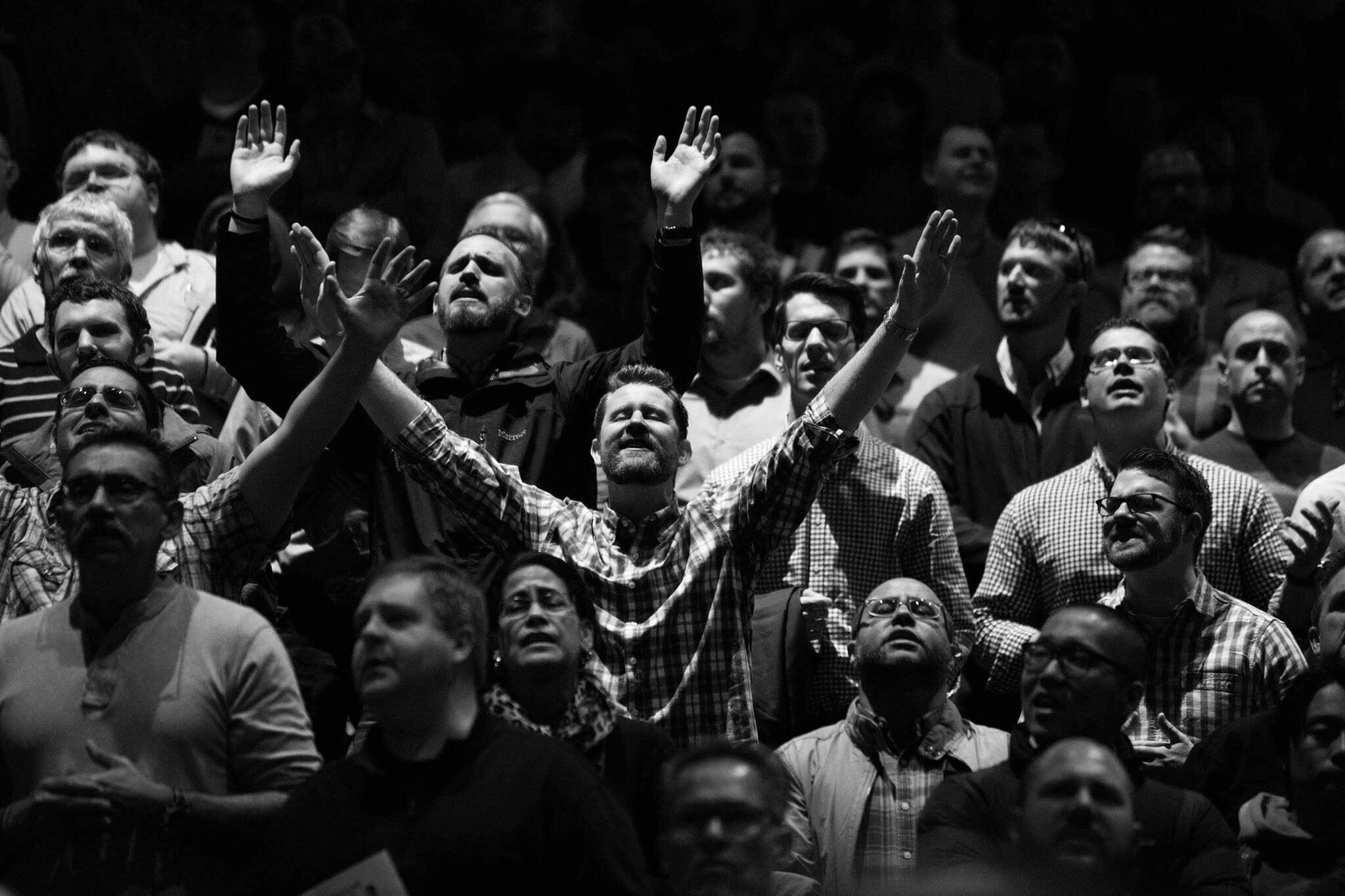
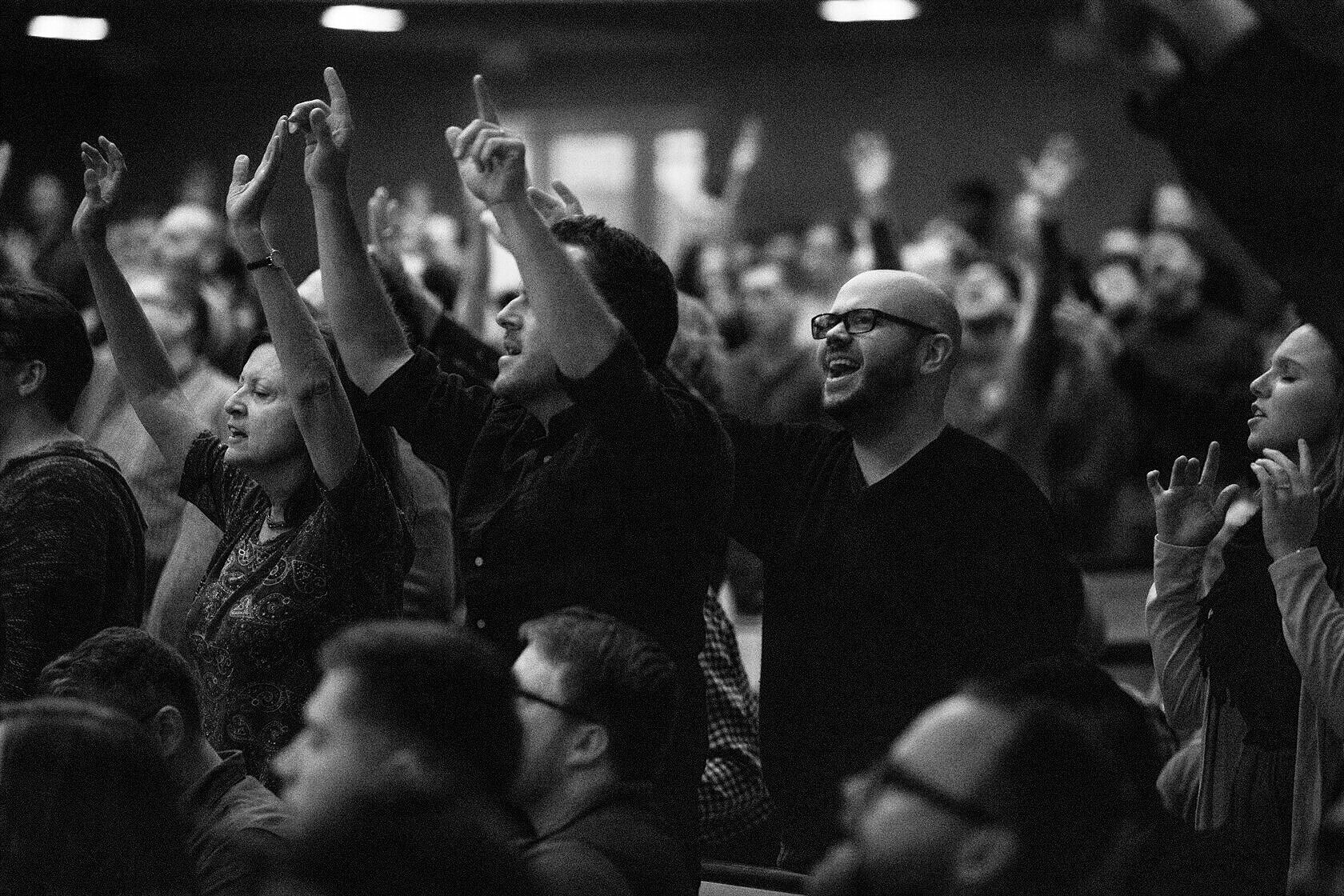
3. Worship was an active, not passive experience for the worshipers. So much of worship today can be passive not requiring much involvement of the worshipers.
4. Worship could be formal, informal or even spontaneous. Compare the formal worship of the tabernacle or temple to the spontaneous worship services that took place when God revealed Himself to His people. What a great song service occured when the Israelites had finished crossing the Red Sea and saw the Egyptian army destroyed in their pursuit.
5. Anytime we approach our God to worship, we are standing on holy ground just as Moses was at the burning bush. We never approach our Lord with a frivolous, careless attitude. He is to be approached with reverence and awe.
There are a great number of lessons to be learned from Old Testament worship, that New Testament Christians should know and practice. The whole Bible is God’s Word to us and we would do well to understand the Old Testament as well as we understand the New Testament.
I recommend the book, “A Taste of Heaven” R.C. Sproul. It is a quick read and full of wonderful insights on worship.
Yes, The Old Testament does and should have a very big influence on worship today. The reason is that the Old Testament is full of examples of how to do worship to our God. After all the Scriptures shows us the position that we should take when worshiping God. Of course it depends on how the words are translated, however, it tells us to be in a reverent position and mood to worship our Lord. In other words, we do not need to come and worship or attempt to worship God unless we are in a worshipping frame of mind and body!